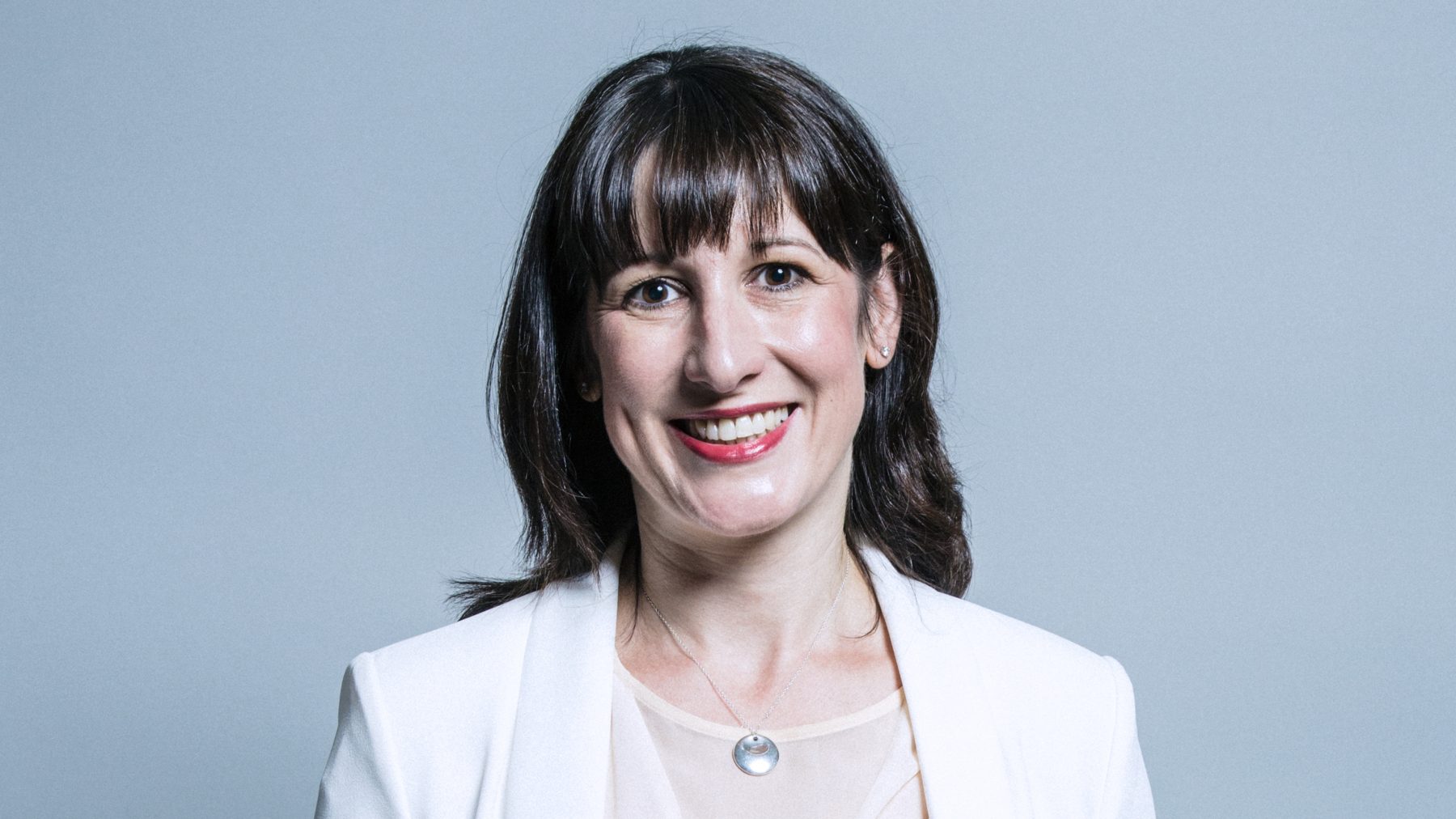
Rachel Reeves and 185 Labour Women breaking glass ceilings at Westminster!
Written by Frances Scott (Founder and Trustee of 50:50 Parliament)
It will be exciting to see Rachel Reeves take to the dispatch box today to deliver her budget as the UK’s first female Chancellor of the Exchequer. This is a glass ceiling that has taken over 800 years to break in spite of the UK being a so-called “representative” democracy.
Rachel Reeves is well qualified for the job, having studied PPE at Oxford and gone on to do a Masters at the London School of Economics. As Mary-Ann Seighart, author of the Authority Gap, has said
“The fact that she [Rachel Reeves] was an economist at the Bank of England … has helped her alot because it has given her the external authority that she might not otherwise have. People always question women’s credentials more than they question men’s. No one ever asked what George Osborne knew about Economics, he read history at Oxford. The fact that she has that already in her back pocket has really helped her.”
But there is more to celebrate than just one woman taking to the stage in the Commons tomorrow. Sitting behind her on the Government benches are another 185 women MPs, with women making up 46% of the Parliamentary Labour Party. At last women are playing their proper part in taking the tough decisions that will affect the future of our country. Women are now equally involved in formulating a wide range of policy matters with many holding senior positions in cabinet such as Angela Rayner being Secretary of State for Housing, Yvette Cooper the Home Secretary, Shabana Mahood Lord Chancellor and Secretary of State for Justice, Bridget Phillipson Secretary of State for Education, Louise Haigh Secretary of State for Transport, Liz Kendall Secretary of State for Work and Pensions and Lisa Nandy Secretary of State for Culture, Media and Sport. For the first time ever, the government really has a pipeline of women to choose from. At last many women have real access to ministerial power.
On the opposition benches there are only 77 women, accounting for 31% of the seats. The 32 Lib Dem women account for 44% of their parliamentary seats and the 29 Conservative women account for 24% of their parties parliamentary seats.
More women across the board at Westminster has had an impact on women’s lives. Issues such as domestic violence, equal pay, child care, parenting pay have all made their way higher up the political agenda. But women need to be equally involved in all policy making and this is where the Labour party have gained a lead.
It is interesting to observe the way the electorate voted in 2024. Perhaps the Labour party appealed to a wider range of voters because their policies and the people that were standing better reflected the concerns of 52% of the population that are women? In a democracy ultimately the power lies with the people when they have a chance to vote in an election. All modern political parties need to be mindful that women make up over half the electorate and the ballot box will be the deciding factor.
Featured photo ©House of Commons