Wendy Chamberlain - My Role as Chief Whip for the Liberal Democrats
Being Chief Whip for the Liberal Democrats is both an honour, a privilege, and a challenge.
I was elected as the MP for North East Fife in 2019, stepping into Parliament at a time of immense political turbulence. Just nine months later, I became Chief Whip, as the UK grappled with the twin crises of COVID-19 and our departure from the EU.
The role is famously behind the scenes, managing parliamentary business, ensuring Party cohesion, and working to secure the best outcomes for both constituents and the party. As the 3rd, and for a time, the 4th, largest Party, it also means fighting to ensure our voices are heard in a system weighted in favour of the two largest parties.
The role is not what people tend to imagine. Long gone are the days of House of Cards, replaced by a role built around strong internal communication, understanding of the policy and political positions of colleagues, and emotional intelligence and support. I may have a shinty stick above my desk, but the tools of a modern Whip are interpersonal ones and not force or the dark arts.
We also play a critical role in making Parliament work. Westminster’s systems are complicated, at times arcane, and often rooted in a time that has passed. Supporting my 57 new colleagues as they arrived to navigate – sometimes literally navigate the maze-like corridors – their way through Parliament has been a major focus since the election. In general, we advise colleagues on what tools are available to ensure the government is held properly to account.
Ours is an era with more women in whipping than ever before. Where once I was the only woman Chief Whip, there are now several, including the Conservatives, SNP, and Greens. The Liberal Democrats have long championed equality, so I am heartened by that change. However, we know that representation alone is not enough. It’s about changing the archaic rules and practical barriers that too often hold women back.
That’s why organisations like 50:50 are so important: they highlight the persistent gender imbalances in our political system and campaign for real, tangible change.
The fight for gender equality is never just about one battle – it’s about shifting the entire culture. We must be honest about the challenges. Women in politics receive more abuse than their male counterparts, and the situation is only getting worse. I am grateful to the Speaker and colleagues across Party who take security and support seriously, but more needs to be done.
Increasing female participation in politics is not just about getting more women elected, though. It’s also about ensuring that women take their rightful places everywhere. Without any deliberate design, our whips’ office operations are now majority female. A sign of how women are becoming more involved, both on the frontlines and behind the scenes at Westminster.
It’s also about ensuring that once women are in Parliament, they are heard, valued, and supported. Sometimes, that means picking up that shinty stick and making a stooshie to ensure that the voices of women, wherever they are, are properly recognised.
Around the world, women face challenges that are deeply ingrained and structurally reinforced. It’s been a privilege to support Afghan women and girls as chair of the APPG. It’s been heartbreaking to see their rights stripped away and their futures threatened. The UK has a moral duty to act, and I will continue to press the government to do more to protect those facing oppression and create platforms for them to be heard.
Politics is about people, and the more diverse those people are, the better our democracy will be. That’s why I support organisations like 50:50 and why I am committed to doing everything I can to create a more equitable political system—not just for women, but for everyone who deserves a fair shot at shaping our future.
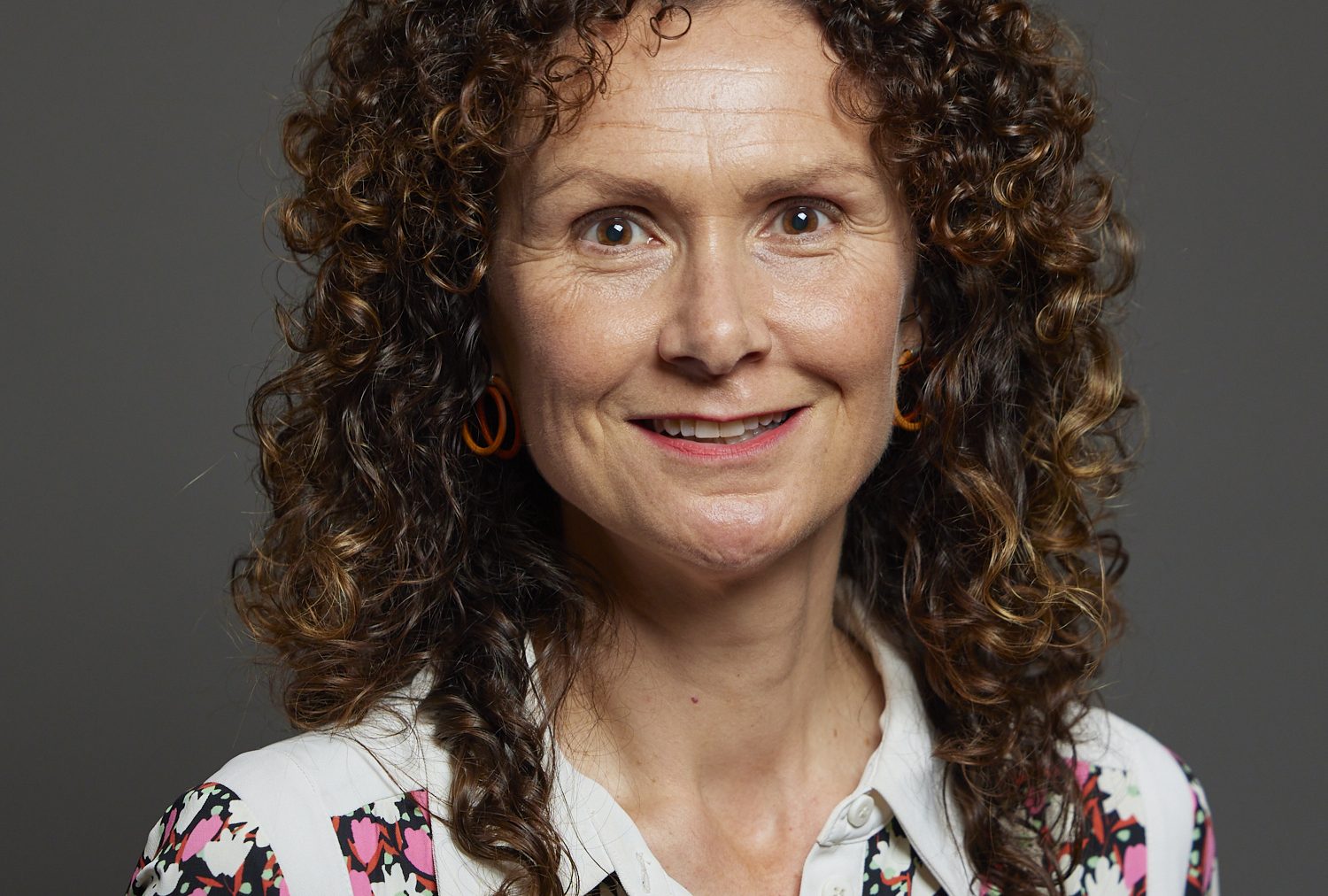
Photo: Wendy Chamberlain ©House of Commons/Laurie Noble